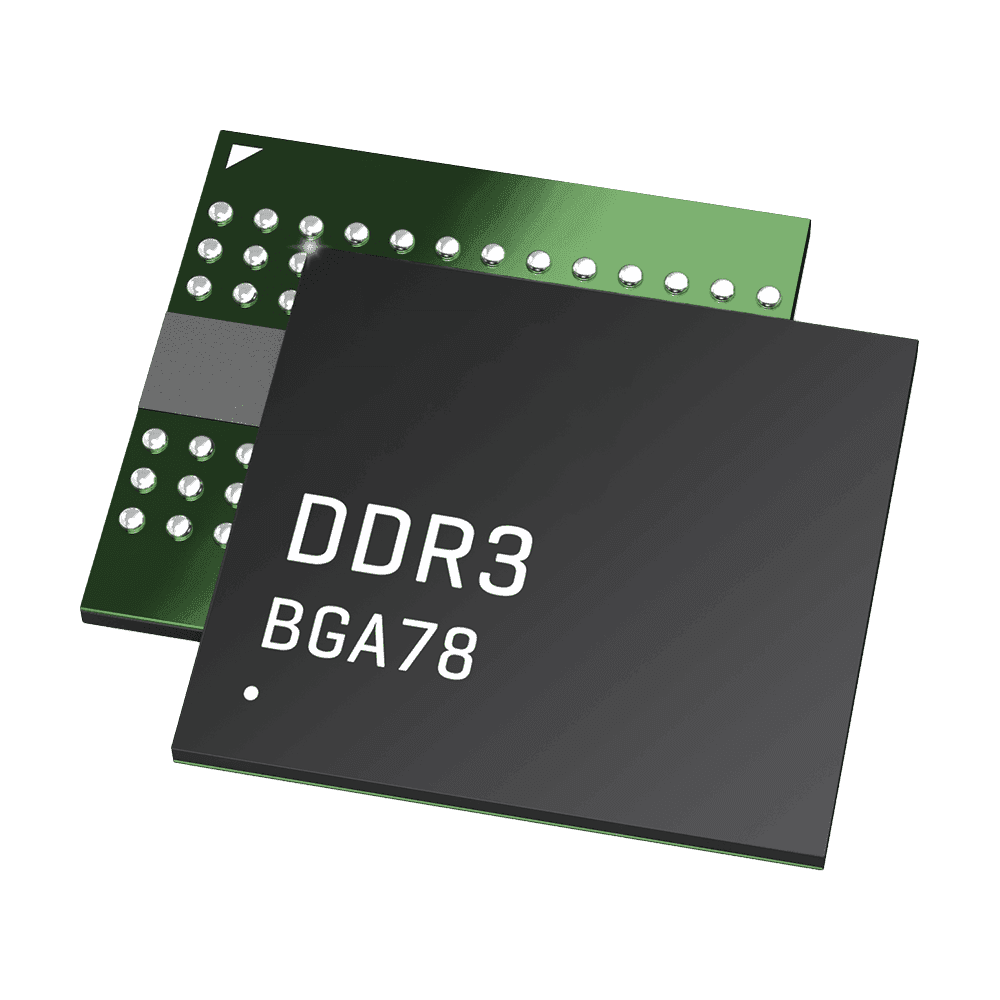
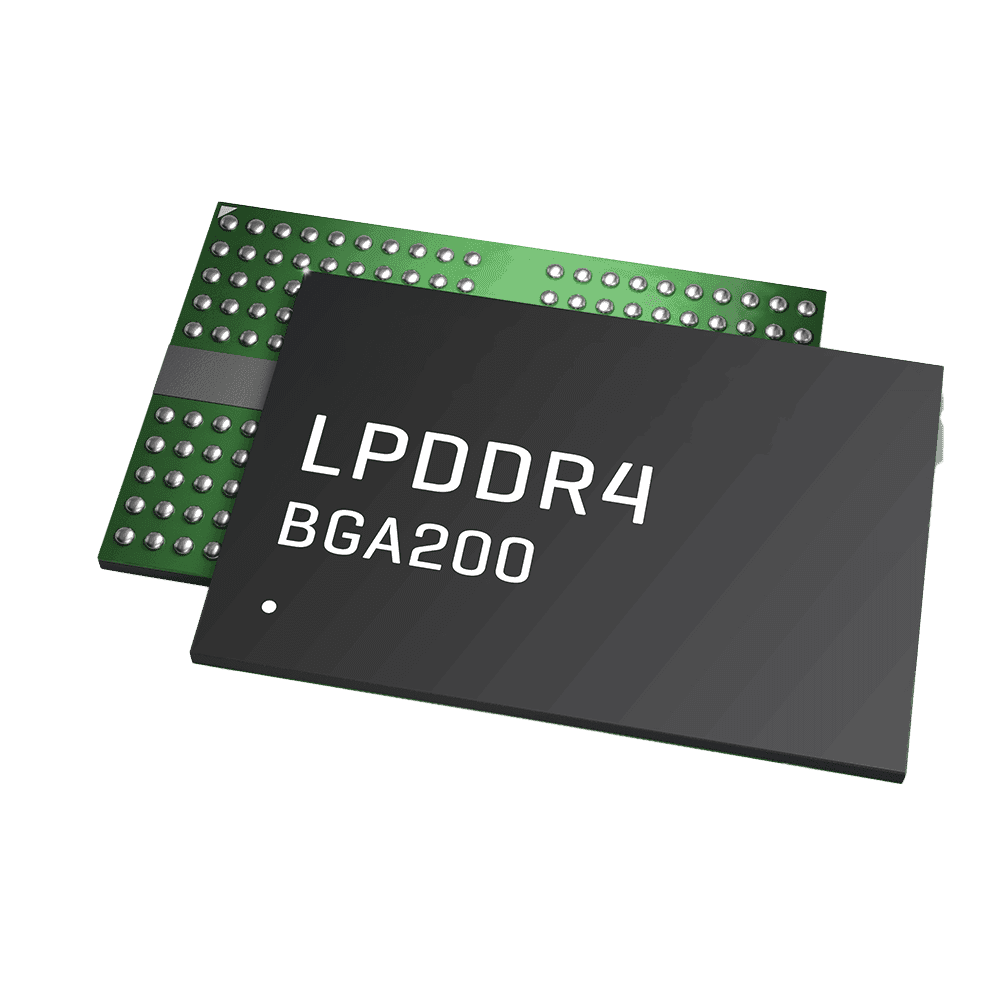
Applications:
- IoT : System on Modules (SOM), Data loggers, Smart Meters
- Computer on Modules : ATMs and industrial control systems
- Smart TVs, DTV
- Set Top Box (STB)
- Telecom Infrastructure (CPE)
- Surveillance Cameras
- Servers
- Robotics
FAQs:
Is it worth switching from DDR3 to DDR4?
Yes, if your platform supports it. DDR4 gives higher bandwidth, lower power, and larger module sizes. You’ll notice gains in multitasking, memory-heavy apps, and power-sensitive systems. If you’re locked to a legacy CPU/board, stay on DDR3 until you upgrade the platform.
Is DDR4 suitable for harsh industrial environments?
Yes, DDR4 is suitable for harsh industrial environments when using industrial-grade modules, which are designed to operate under wide temperature ranges and offer reliable performance in rugged conditions.
How long is DDR4 supported by memory manufacturers?
DDR4 has long-tail availability through ~2030 and beyond, even as DDR5 grows, primarily by suppliers with industrial longevity programs.
- Nanya, Winbond, and Intelligent Memory have confirmed DDR4 support extending into the 2030s.
- “Buying old dies” is not common practice due to intellectual property restrictions and qualification liability. Longevity is instead secured through wafer banking, reserved die stock, and controlled mature-node production.
Conclusion: DDR4’s future lies with suppliers explicitly committed to industrial support, not opportunistic die resales.
What is the availability of DDR4 16 Gb and 32 Gb devices in x8 and x16 configurations?
- 16 Gb DDR4: Well supported, with x8 devices more common than x16.
- 32 Gb DDR4: Monolithic options are scarce; higher densities usually come from stacked-die solutions or module-level aggregation.
Suppliers like Intelligent Memory and Winbond are committing to long-term support for DDR4 16 Gb and 32 Gb in both x8 and x16.
Conclusion: For sourcing security, prioritize x8 devices and plan for stacked/aggregated solutions at higher densities.
What are the risks of relying too long on DDR4, and what opportunities arise from moving early to DDR5?
Risks of staying with DDR4 too long:
- SoC obsolescence: Intel’s Alder Lake (2021) still supported DDR4, but Meteor Lake (2023) onwards mandates DDR5. Qualcomm’s Snapdragon 8 Gen 3 (2023) and MediaTek Dimensity 9200 (2022) have dropped LPDDR4X validation.
- Rising costs and longer lead times as wafer input shifts to advanced DRAM (DDR5, LPDDR5X, HBM).
- Reduced design options and limited module availability, creating redesign pressure under unfavorable timelines.
Opportunities of migrating early:
- Access to next-generation SoCs such as NVIDIA Grace Superchip (2023) or Samsung Exynos 2400 (2024), which exclusively support DDR5.
- Higher bandwidth and energy efficiency (DDR5 doubles throughput per pin; LPDDR5 cuts I/O power by >30%).
- Future-proof designs that avoid late-decade shortages and qualification bottlenecks.
Conclusion: Migrating early to DDR5 reduces supply-chain risk, ensures access to cutting-edge SoCs, and positions designs for scalability into the 2030s.

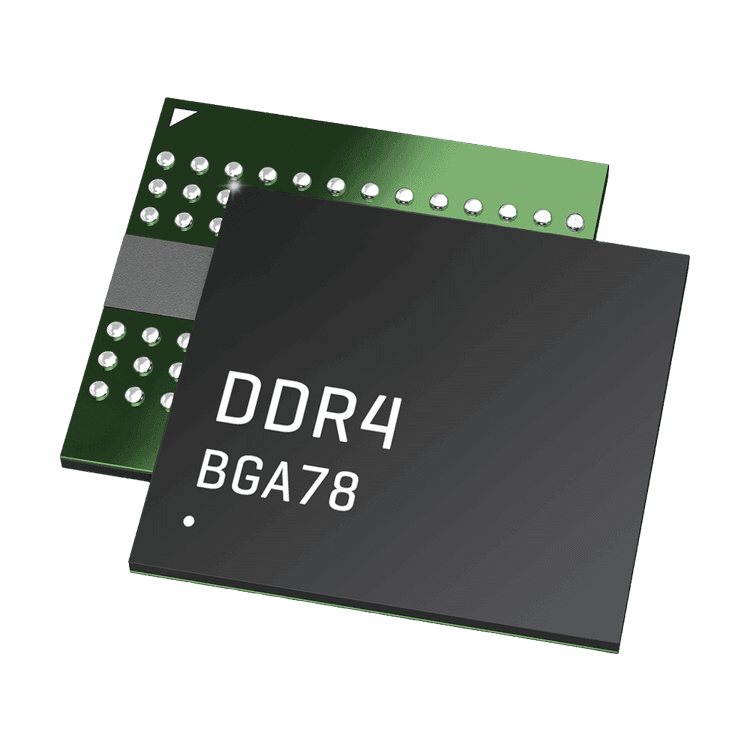
 Density: 4Gb - 32Gb
 Speed: up to 1600MHz
 Temperature: commercial and industrial grades
  Organisation: x4, x8, x16
 Voltage: 1.2V
 Package: FBGA78, FBGA96