Product Highlights & Benefits:
Key features:
Other features:
- Integrated ECC
- Bad Block Management
- Power Failure Protection (optional)
- Secure Erase, TRIM support
- Data Retention: typically 10 years at 25°C and moderate write cycles

The standard for embedded MultiMediaCards (eMMCs) was finalized by JEDEC in 2006 and has been designed for portable devices or IoT sensors. It integrates the controller and the flash memory in a single IC so the controller and the related firmware take care of placing data into storage.
This takes away the burden of raw flash management (i.e. wear leveling, error correction). Due to this It is the ideal replacement for raw flash in many applications.
Designed for a wide range of applications (consumer electronics, mobile phones, handheld computers, navigational systems, etc), the small BGA package sizes and low power consumption make eMMC an excellent low-cost memory solution for any space-constrained applications such as mobile devices.
MEMPHIS Electronic offers eMMC components von BiWIN, ESMT, Etron, Intelligent Memory, Longsys, and Skyhigh Memory. The big memory manufacturers, Samsung, Micron und SK Hynix, are exiting the market.
Time to qualify alternatives now!
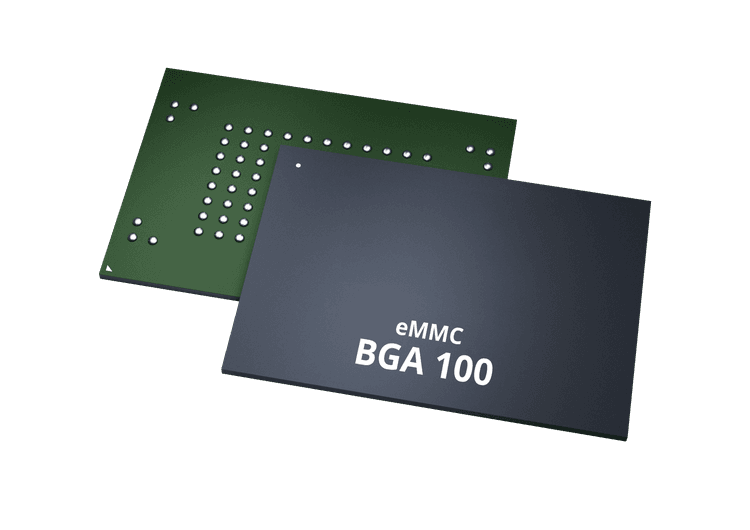
 Density: 1GB – 256GB
  Speed: up to 400Mb/s
 Operating Temp: commercial, industrial and automotive temp.
 Variants: SLC / MLC
 Voltage: 1.8V/3.3V
 Packages: BGA100, BGA153


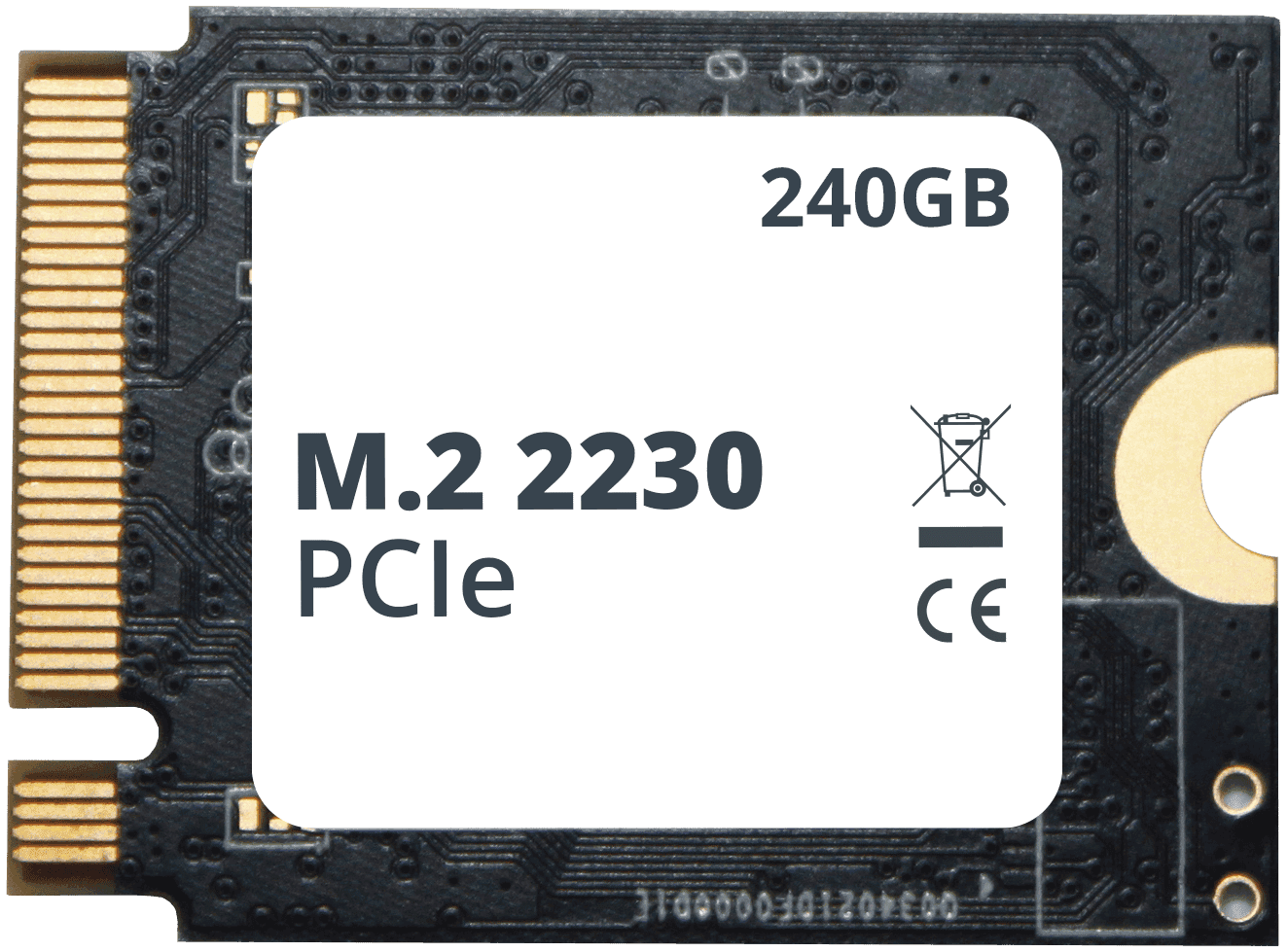
| Feature | eMMC (embedded MultiMediaCard) | NVMe (Non-Volatile Memory Express SSD) | SATA SSD (Solid State Drive) | UFS (Universal Flash Storage) |
|---|---|---|---|---|
| Interface | Parallel (typically 8-bit) | PCIe (NVMe Protocol) | SATA (AHCI Protocol) | Serial LVDS (full-duplex) |
| Speed | Slower | Fastest | Faster than HDD, slower than NVMe | Significantly faster read/write, enhances performance |
| Latency | Higher | Lowest | Lower than HDD, higher than NVMe | Lower (due to command queuing), better responsiveness |
| Cost | Cheapest | Most Expensive | Mid-range | More expensive, mid-range to high-end devices |
| Form Factor | Embedded chip | M.2, PCIe Card, U.2 | 2.5 inch, M.2, mSATA | Embedded UFS & UFS Card |
| Use Cases | Budget smartphones, tablets, Chromebooks, and basic embedded systems | High-end PCs, gaming laptops, workstations, and servers | Mainstream laptops, desktops, upgrades from HDD | Laptops, Smartphones & Tablets, Camera and Drones |
We are happy to answer all the questions you might have.
MEMPHIS Electronic GmbH
Basler Str. 5
61352 Bad Homburg
Germany
Phone: +49 6172 90350
Email: info@memphis.de
eMMC has become the go-to memory for a variety of embedded appications.
Benefits: Low cost, low power consumption and enough performance for IoT workloads
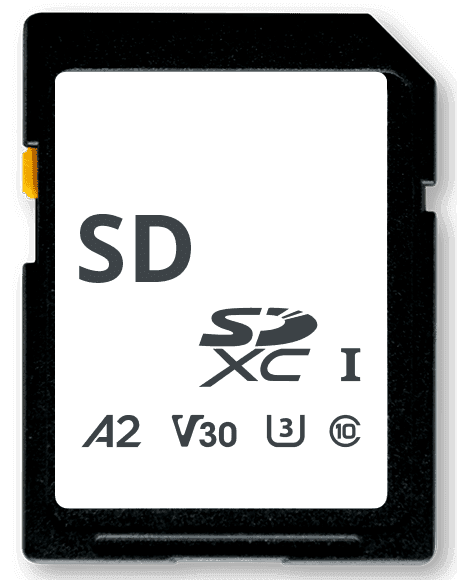
eMMC replaces traditional SD cards and provide higher reliability.
Unlike raw NAND, eMMC does not require a dedicated flash management implementation at system level. The integrated controller handles all essential flash management functions, including wear leveling, error correction, and bad block management.
This significantly reduces development effort and risk while ensuring stable performance, improved data integrity, and faster time to market.
eMMC is also more cost effective and easier to integrate than UFS or NVMe. While UFS and NVMe enable significantly higher data rates, eMMC is optimized for applications where reliability, longevity, and a balanced cost to performance ratio are more important than maximum throughput.
eMMC is ideally suited for applications with:
Typical use cases include industrial automation, medical devices, IoT gateways, smart devices, and automotive electronics.
For data intensive applications with very high performance requirements—such as high end consumer devices or AI workloads—technologies like UFS or NVMe are the better choice.
The typical service life of eMMC is generally specified as 5 to 10 years. This wide range exists because lifetime depends not on age, but on write workload, which in turn varies depending on the NAND type used.
Program/Erase (P/E) Cycles
Thanks to wear leveling, the controller distributes write operations evenly across memory cells, significantly extending usable lifetime.
Example Calculation: 16 GB eMMC using MLC NAND (5,000 P/E cycles)
In real world embedded and industrial applications, this typically translates to a usable lifetime of 5 to 10 years, and often 10+ years when daily write volumes remain moderate.
Yes. Despite some manufacturers withdrawing from the eMMC market, eMMC remains essential for many industrial and embedded applications.
These applications do not require high storage densities, but rather stable, durable, and long term available memory solutions. eMMC continues to meet these requirements, especially in systems with long product lifecycles.
We work with several manufacturers that are committed to supporting eMMC over the long term. Contact us to discuss your requirements.